
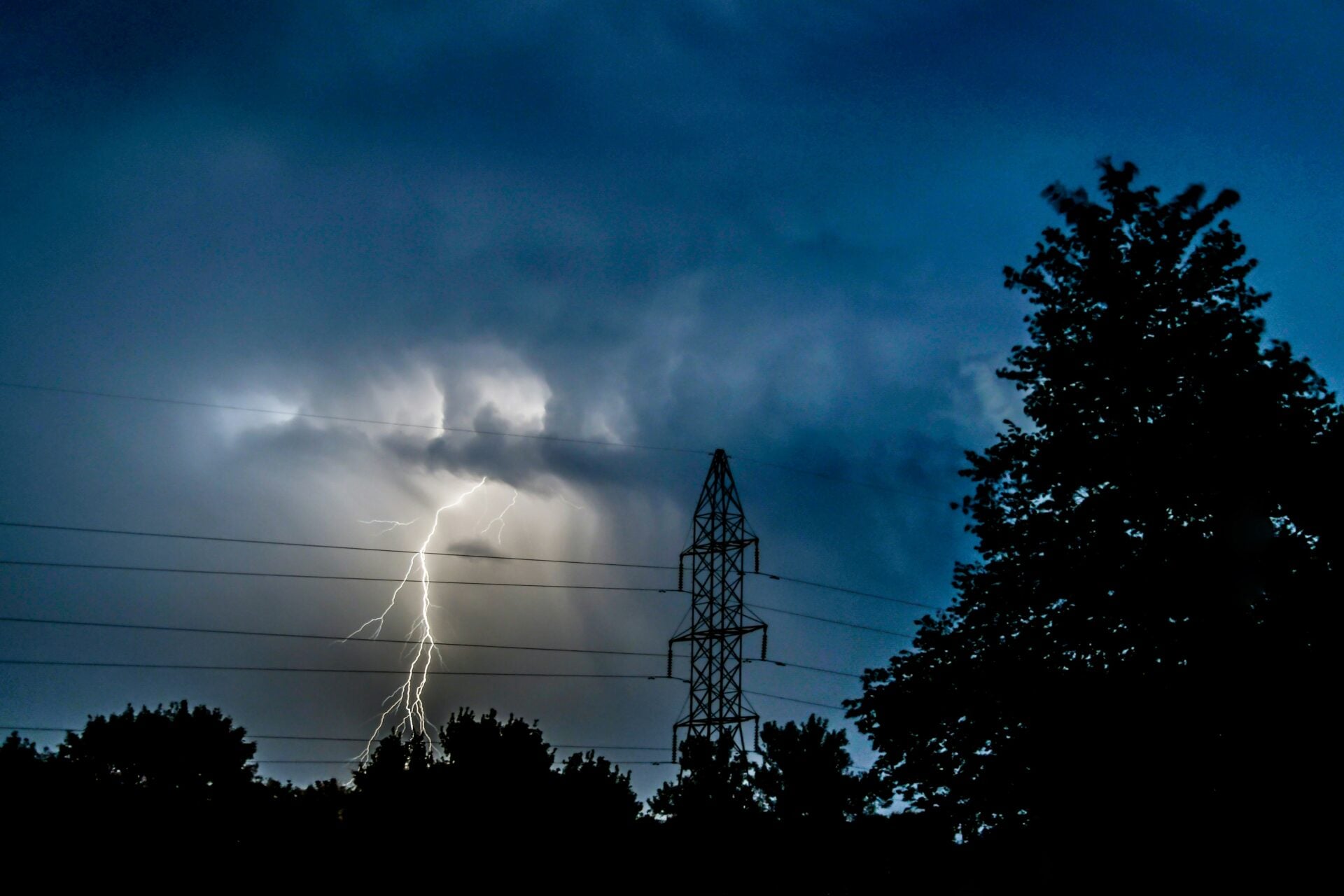
As hard as we may work to avoid them, power outages are just a part of life. Unfortunately, that means it will inevitably affect your short-term rental business. Therefore, it’s important to have a firm understanding of the Airbnb power outage policy. This post will inform you of everything you need to know to be as prepared as possible when the unexpected happens.
Host Tools provides an automated, unified calendar for short-term rental hosts, allowing you to seamlessly list on all major channels. Start your free trial today!
What to know about Airbnb’s power outage policy
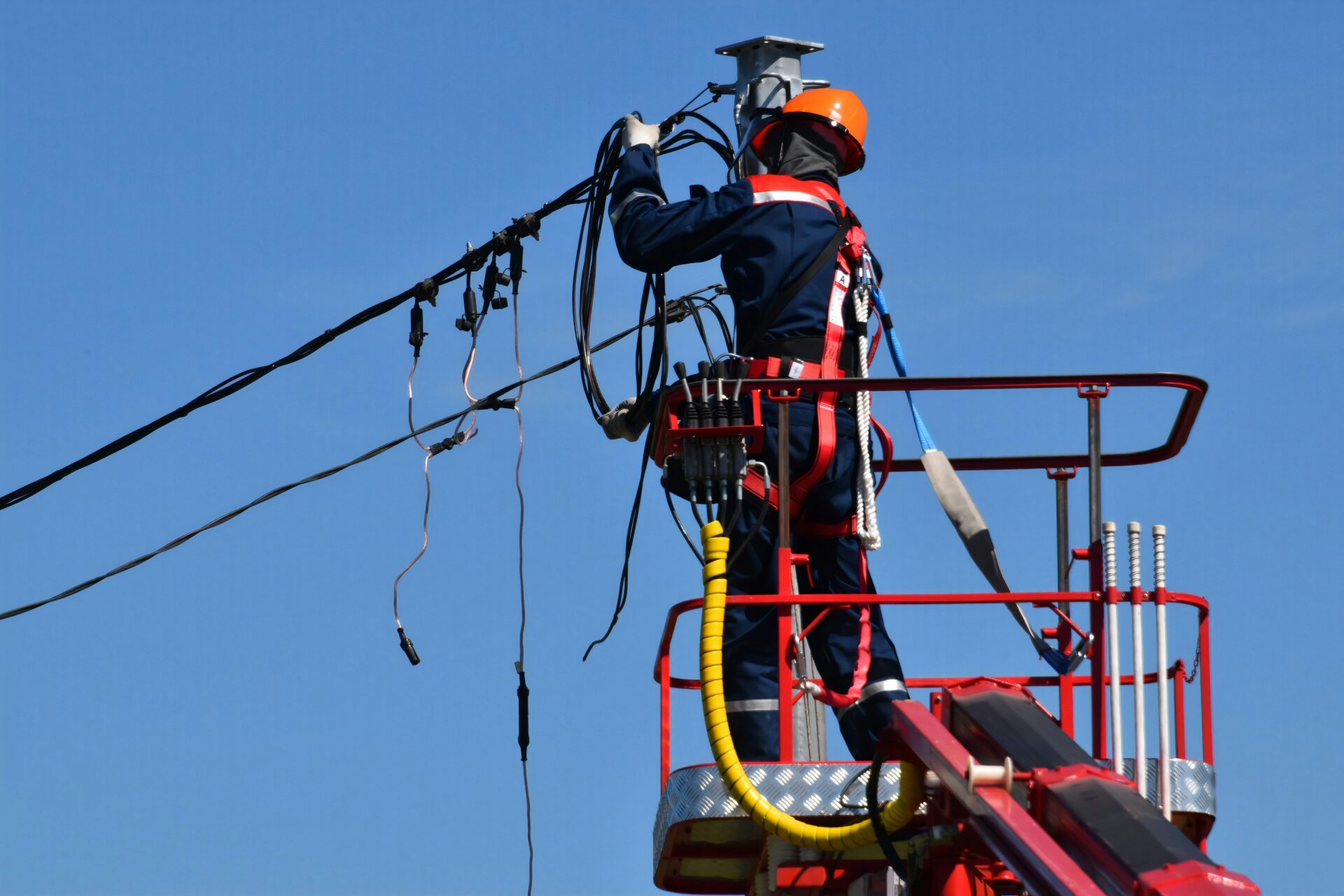
Airbnb’s Major Disruptive Events Policy covers situations like when a large natural disaster causes major outages. In these cases, Airbnb could offer guests full or partial refunds on a case by case situation. You need to understand when this policy applies. For minor, localized, or occasional power outages, Airbnb usually leaves decisions to the host’s discretion. Not every situation will qualify for Airbnb involvement.
Pro Tip: Document any outages by keeping communication logs with your utility provider or photos demonstrating the issue. This can be helpful if disputes arise.
How to handle power outages at your Airbnb
Read on to be prepared to handle any power outages that come your way!
Step 1: Fix immediate problems
When the power goes out during your guests’ stay, their immediate concerns are often centered around essential utilities like lighting, heating, air conditioning, and hot water.
Here’s what you can do:
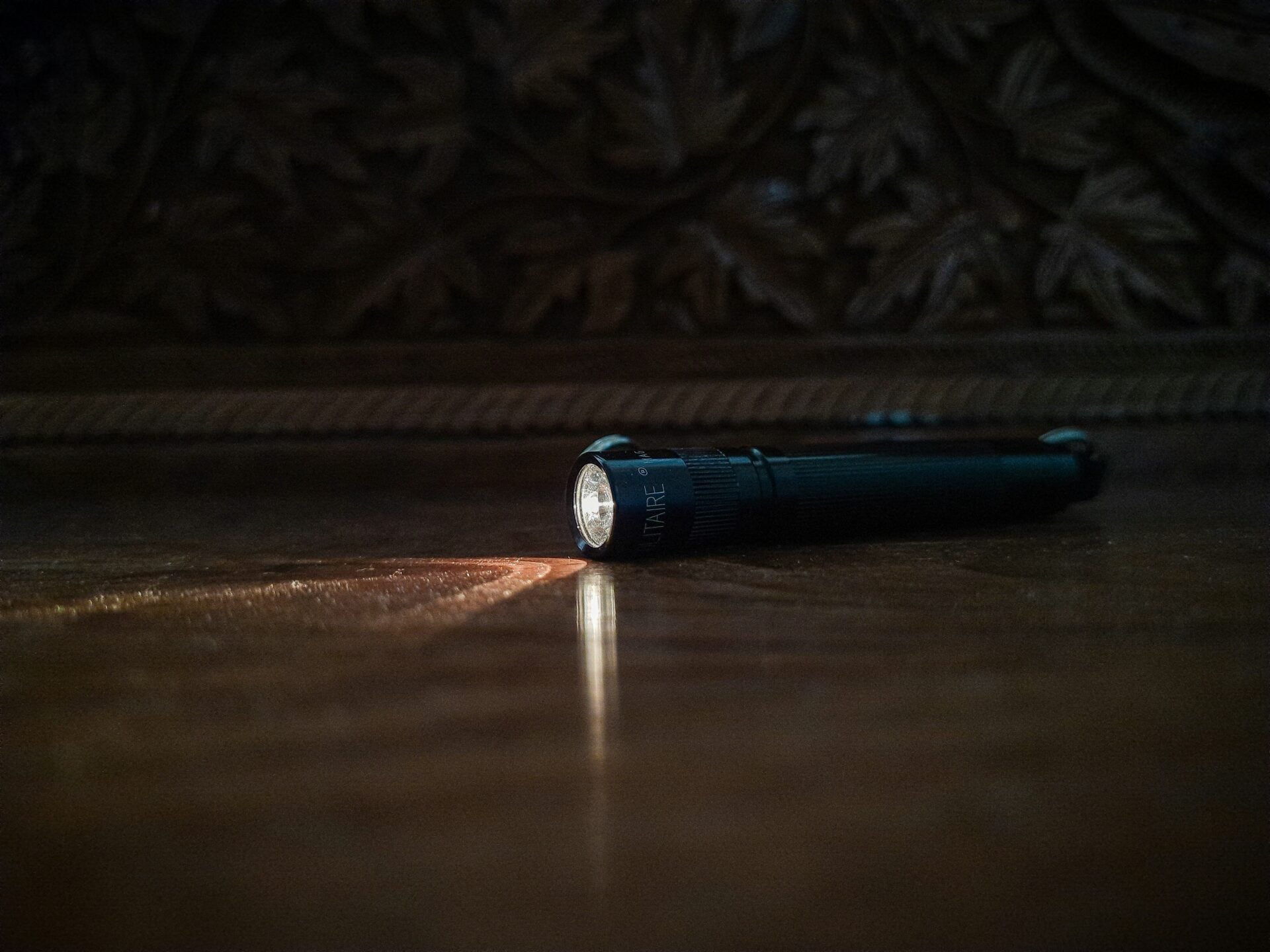
- Keep flashlights, extra batteries, and candles available on your property.
- If possible, invest in portable backup generators or battery-powered fans for extreme weather conditions.
- Let your guests know as soon as possible that you’re aware of the situation and are updating them on potential resolutions.
Step 2: Communicate
When emergencies arise, clear and quick communication is key. If you know, explain to the guest what caused the power outage. Additionally, share what you’re doing to get it resolved as quickly as possible. Consider crafting a message like the following:
We’re so sorry for the inconvenience this power outage has caused. We’ve learned it is because of [insert reason]. We’re in touch with the local authorities, who are working to have power resumed by [insert when service should be restored or say as soon as possible]. Please let us know how we can help in the meantime.
“Dear [Guest’s Name], we sincerely apologize for the inconvenience caused by the power outage. We’ve identified it as a [localized/natural disaster-related] issue affecting the area. We are in touch with the power company and will keep you updated on their timeline. Please let us know how we can assist you in the meantime.”
Step 3: Offer alternatives
Sometimes, things just don’t go as planned. Below are a few options for managing the frustrating situation and keeping guests happy:
- Find the guest another place to stay. This is definitely not ideal. However, Airbnb policies have some room and flexibility for these last-resort situations.
- Offer a refund. It could be full, it could be partial. Use your best judgment.
- Offer a perk. Maybe it’s a free future stay, a discount in the future, or a free upsell experience.
Step 4: Do some damage control
After power is back on, it’s important to check on your property and ensure everything is working as normal. You’ll want to test all of your appliances and schedule a check-up on big-ticket items like your AC, refrigerators, etc. Also, it wouldn’t hurt to send your guest a personalized message after the guest checks out to apologize again and let them know you’re thinking about their experience.
Step 5: Update your policies
Learning from experience is key. Use the insights gained from managing a power outage to establish better procedures moving forward.
- Clearly outline what guests should do during outages, including where to find safety supplies or how to contact you.
- Add information in your house rules to your listing about how you handle outages.
- Make sure guests have multiple ways to contact you in case of an emergency. These are things like your phone number, email address, and even backup contacts if you are unavailable.
Prepare your Airbnb
While some situations are totally out of your control, there are a few things you can do in advance to minimize the impact when outages do arrive.
Have backup power sources
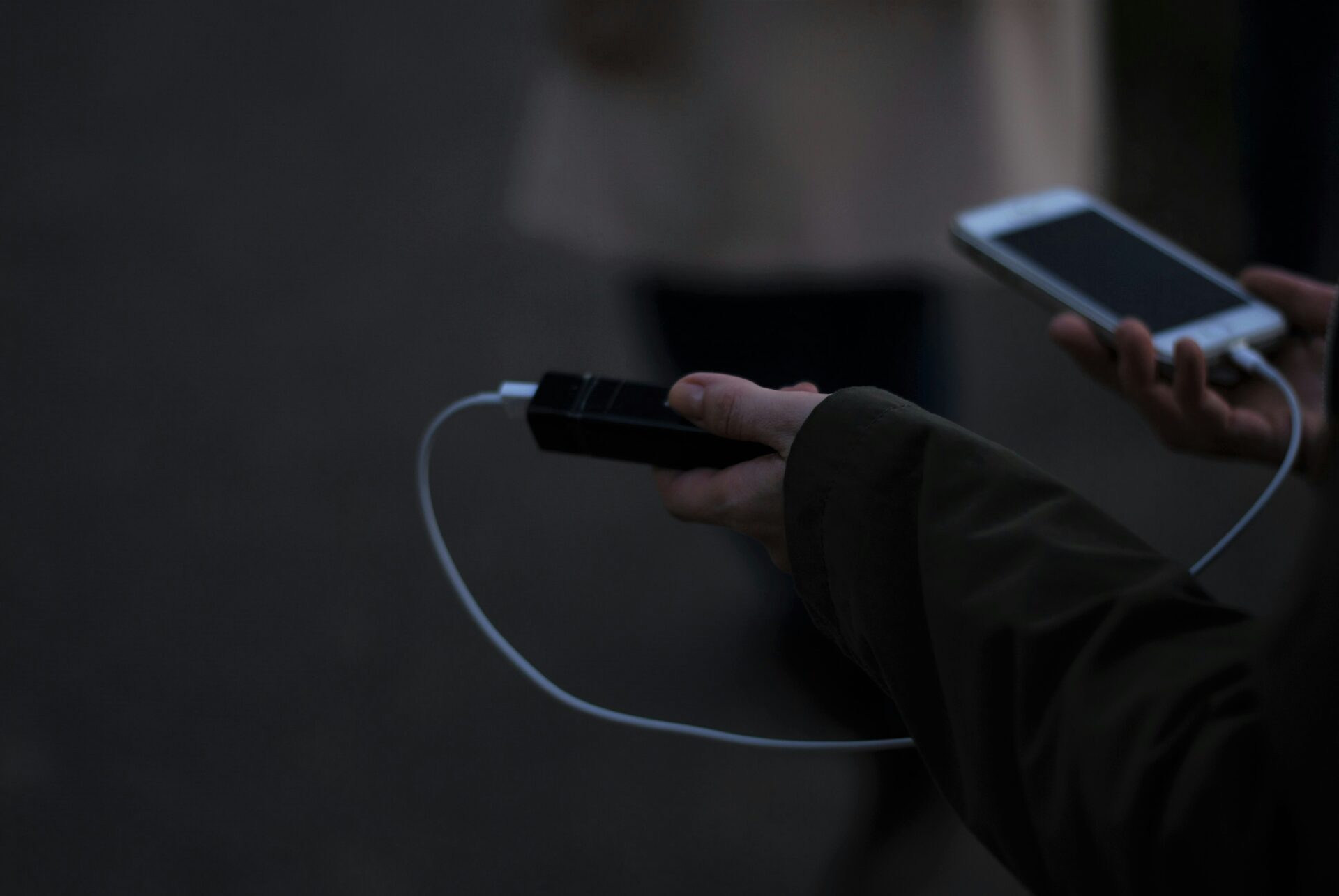
You’re going to want some type of backup power source. Maybe that’s solar-powered lights, generators, or power banks. Power banks are particularly important to let guests charge their phones and stay connected during an emergency.
Stock up on emergency supplies
Keep an emergency kit readily accessible. Have items like:
- Flashlights
- Extra batteries
- Bottled water
- Non-perishable snacks (granola bars)
- A printed list of emergency contacts and local resources
- Small power banks for phones
Build local connections
As a host, especially one managing their rental remotely, you need to build a relationship with your local community. Get to know your local handyman or utilities person. These are the people who will be on the ground when you’re not there, and you want it to be folks you can trust.
Educate
In your house manual, let guests know about your backup plans. Provide them with emergency numbers, where to find flashlights and batteries, or info on any backup generators you have.
Let’s be honest: Power outages are inconvenient and are not fun to deal with. That said, it’s an opportunity for you to reframe your mind and demonstrate just how great a host you are. Communicate with empathy and transparency, and you can help turn a negative experience for a guest into a building block of customer loyalty. Remember, hospitality doesn’t stop when the lights go out
Host Tools provides an automated, unified calendar for short-term rental hosts, allowing you to seamlessly list on all major channels. Start your free trial today!