

It is no secret that short-term rentals are extremely competitive. As a result, hosts need to pay attention to the metrics of how their property is doing. One such metric that is extremely important to pay attention to is occupancy rates. This guide breaks down exactly what occupancy rates are, how to calculate yours, how to improve yours, and why you need to stay on top of it.
Host Tools provides an automated, unified calendar for short-term rental hosts, allowing you to seamlessly list on all major channels. Start your free trial today!
What is your occupancy rate?
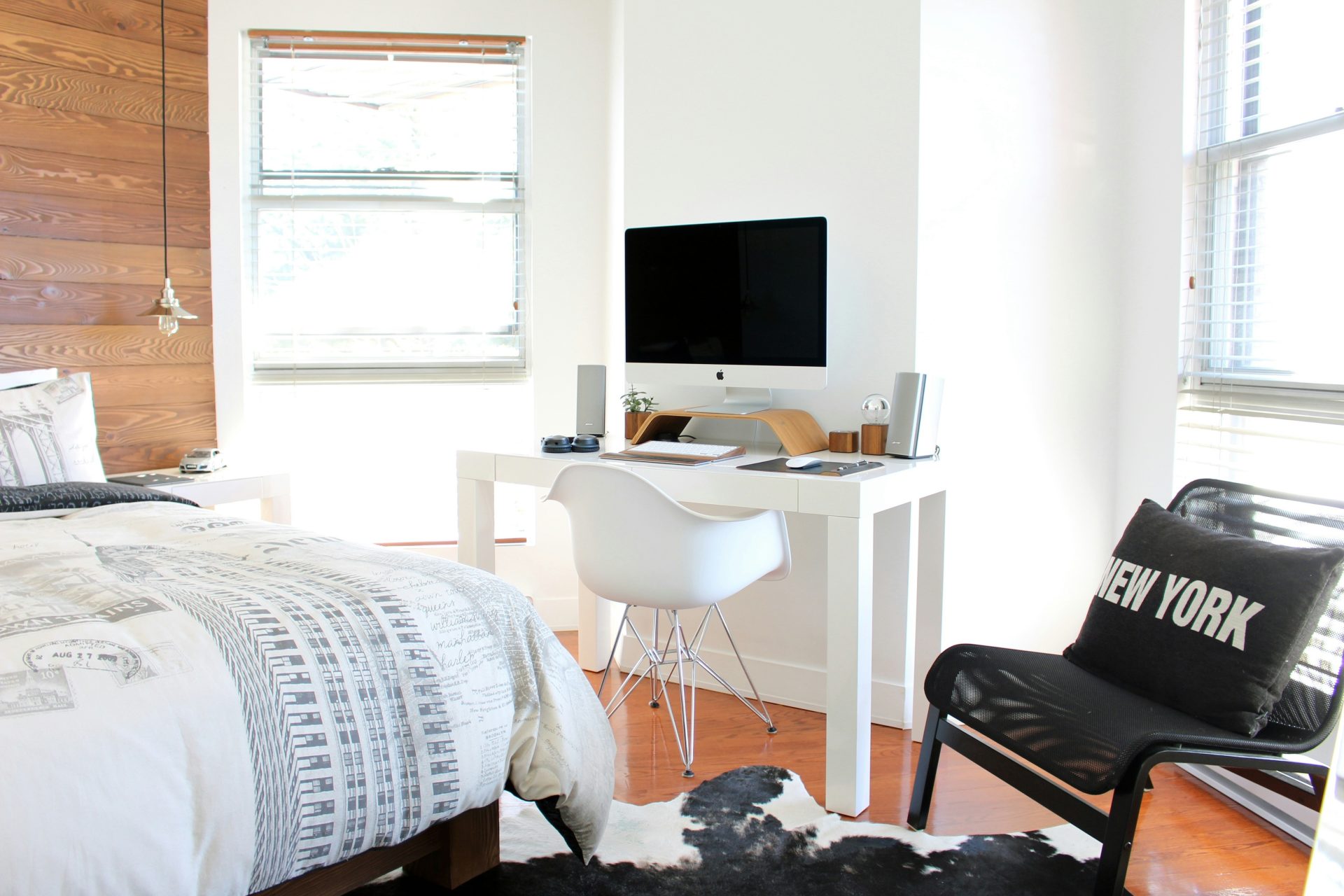
Your occupancy rate measures how many rooms are booked during a specific period of time. It’s a way for hosts and property managers to understand how often your home is being booked, where there are gaps, and identify opportunities for improvement.
Why are occupancy rates important?
Typically, a high occupancy rate means you’re earning more money. In short, the more nights that are booked at your home, the more income you have coming in. However, understanding your occupancy rate can help you perfect your pricing strategy. There’s more to it than just getting bodies in rooms. For example, you may notice fewer bookings at a certain time of year. This type of observation can help you adjust pricing to attract more guests during a slow season. Pay attention to your occupancy rate, and you may find opportunities.
Tools to help track your occupancy rate
Many platforms like Airbnb and Vrbo have built-in tools to help you track your occupancy rates. Additionally, third-party platforms like AirDNA are specifically designed for identifying data for short-term rentals.
How to calculate your occupancy rate
Calculating your occupancy rate is relatively straightforward. The basic occupancy rate formula is:
Occupancy Rate = (Number of Occupied Rooms / Total Number of Rooms) x 100
This formula clearly shows your property’s occupancy over a given period. For example, if you have a property with t10 rooms and 7 of them are occupied, your occupancy rate would be 70%. This simple calculation can yield powerful insights into your booking patterns and overall performance.
What factors affect your occupancy rate
A few things are at play that affect your occupancy rate. Consider the following:
- Seasonality: Some areas have high and low seasons. For example, a beach house in Florida may be particularly busy during the wintertime, but slow down a lot during hurricane season.
- Events: A destination known for a certain event may see big spikes around that time. Think of events like Sturgis in South Dakota – that town comes alive during the festival.
- Pricing: How you price your home will affect your occupancy rate. Too high a price and you may scare away renters; too low and you may be leaving income on the table. Our breakdown of what makes a good Airbnb pricing tool explains how automated rates help you find the middle ground.
- Reviews: As you know, reviews are the lifeblood of this industry. Positive reviews will impact whether or not you see a booked calendar.
How to improve your occupancy rates
Like a hotel occupancy rate, if your rates are not meeting expectations, there are several strategies you can implement to boost them:
- Elevate Your Marketing Strategies: Utilize social media platforms, email marketing, and listing sites like Airbnb to promote your rental properties. Regularly updating your listings with high-quality photos and detailed descriptions can entice potential guests.
- Improve Guest Experience: Consistently providing exceptional customer service, offering amenities, and regularly maintaining your property can lead to positive reviews and increase occupied room nights.
- Consider Discounts or Special Offers: Offering discounts or special deals during low-demand periods can attract more bookings and keep your property occupied year-round.
- Stay Competitive with Pricing: Researching similar properties in your area can help you stay competitive with pricing, especially during peak seasons. Consider offering flexible cancellation policies to encourage guests to book with confidence.
- Target Niche Markets: Consider targeting specific niche markets such as business travelers, families, or couples to attract a wider range of guests and potentially increase occupancy rates.
- Collaborate with Local Businesses: Partnering with local businesses such as tour companies, restaurants, or event organizers can help promote your property and attract more guests.
- Utilize Data and Analytics: Utilizing data and analytics tools can provide valuable insights into booking patterns, demand trends, and pricing strategies. This information can help you make informed decisions to optimize your occupancy rates.
How Host Tools can help
At the core of good occupancy rates is just plain good hosting. One simple yet effective way to elevate your short-term rental business is automating your property with Host Tools. Our platform allows you to automate nearly all of your communication with guests, schedule cleaners in advance, and manage your listing across multiple platforms. With our tools, you minimize the risk of human error and make the day-to-day aspects of hosting easier than ever. Saving you both time and energy.

Final thoughts
Overall, learning how to increase your occupancy rates is a vital part of the short-term rental business. To do so, you’ll need to pay regular attention to your property’s data. Additionally, hosts must continually provide 5-star experiences for guests, think critically about their pricing strategy, work to elevate your marketing strategy, and more. With careful analysis and effort, you’ll be in good shape to start seeing an increase in your overnight guests.
Host Tools provides an automated, unified calendar for short-term rental hosts, allowing you to seamlessly list on all major channels. Start your free trial today!