

For hosts, understanding the Airbnb rating system is a must. Not only does it impact your visibility and booking rates, but it also reflects the guest experience you provide. The Airbnb rating system is a key factor in building trust with potential guests and maintaining a competitive edge in the extremely competitive short-term rental industry.
In this blog post, we’ll break down exactly how the Airbnb rating system works. We’ll explore the components that make up guest reviews, how these ratings affect your listing, and share actionable tips to help you improve your ratings.
Whether you’re a new host or have been sharing your space for years, gaining insight into this system can help you enhance your hosting skills and business success. By the end of this post, you’ll have a comprehensive understanding of the rating system and be equipped with practical strategies to elevate your hosting game.
Host Tools provides an automated, unified calendar for short-term rental hosts, allowing you to seamlessly list on all major channels. Start your free trial today!
How the Airbnb rating system works
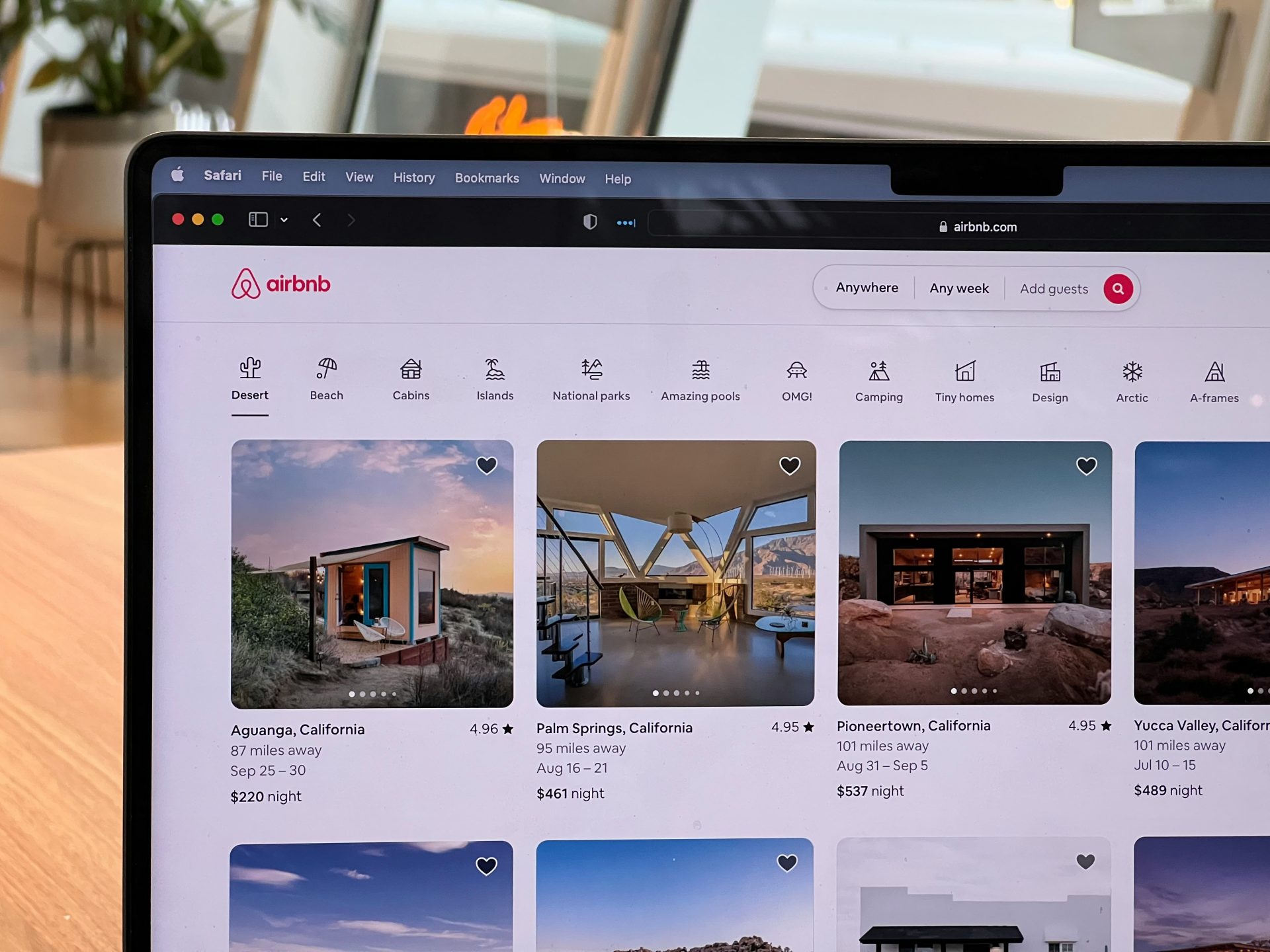
The system uses a five-star scale to evaluate various aspects of the guest experience. Guests are prompted to leave a star rating based on categories such as:
- Cleanliness
- Communication
- Check-in
- Accuracy
- Location
- Value
Hosts receive an overall rating that reflects the average score across these categories. Each review also includes written feedback, allowing guests to elaborate on their experience.
These property and host reviews are important as they will influence potential guests’ decisions when browsing your listing. High ratings and positive feedback build credibility and attract more bookings, while low ratings can deter potential guests.
It’s important to note that Airbnb values recent reviews more heavily. This means that consistently providing excellent service is vital to maintaining your listing’s attractiveness.
- 5-Star Rating: Indicates an outstanding guest experience. Everything from cleanliness to communication met or exceeded expectations. Guests are highly satisfied and likely to recommend the listing to others. Note that Superhosts must maintain a 4.8-star rating to retain their status.
- 4-Star Rating: This represents a good experience with only minor issues or room for improvement. Guests were generally satisfied but may have noticed slight inaccuracies or found areas to suggest improvements.
- 3-Star Rating: This signifies an average experience. There were some notable issues that affected the guest’s stay, such as discrepancies in the listing description or moderate cleanliness concerns.
- 2-Star Rating: Denotes a below-average experience with significant problems. Guests encountered numerous issues, such as poor communication or key amenities not being as described.
- 1-Star Rating: Suggests a poor guest experience. Major problems were present, leading to guest dissatisfaction. This rating may result from a serious lack of cleanliness, accuracy, or other critical aspects of the stay.
How to improve your ratings

Let’s cover the basics:
- Always make sure that your listing description is accurate. Misleading information can and will disappoint guests.
- Use high-quality photos. If you don’t have any, consider working with the Airbnb Pro Photography Program.
- Respond to any questions from guests quickly. The AI auto-replies feature from Host Tools can help with this.
- Never miss a cleaning. Automate your cleaning crew to ensure there are no mishaps.
Consider the psychology
There’s a bit of psychology around elevating your guest reviews. A lot of that lies in the details. Guests love unexpected touches. Things like welcome letters, treat baskets, a bottle of wine, etc., are all the types of things that guests don’t expect but notice. These little tiny details instantly elevate a stay, and guests remember that when writing their reviews. Additionally, there’s an art to anticipating guests’ needs. For example, having a little steamer ready in the closet for them, already filled with fresh water, is a nice little touch. When guests don’t have to ask for things, they notice you had already thought of the details.
Respond to your Airbnb reviews
One of the most effective things you can do to improve how potential guests perceive your property is to respond to every guest review (even the negative ones). If you receive a negative guest review, responding to it shows potential guests that you heard what the guest was saying and have found actionable ways to improve upon it. It shows other guests that you genuinely care about the guest experience and makes them more willing to “risk” booking with you after a negative review.
Final thoughts

Understanding how the Airbnb rating system works is an important part of listing your home on Airbnb. When you understand how the ratings work and put in place a strategy to boost your ratings, you’re creating an actionable plan to improve your business (not just sit passively by). Remember to focus on communication, cleanliness, and always exceed expectations. The little details go a long way!
Host Tools provides an automated, unified calendar for short-term rental hosts, allowing you to seamlessly list on all major channels. Start your free trial today!