

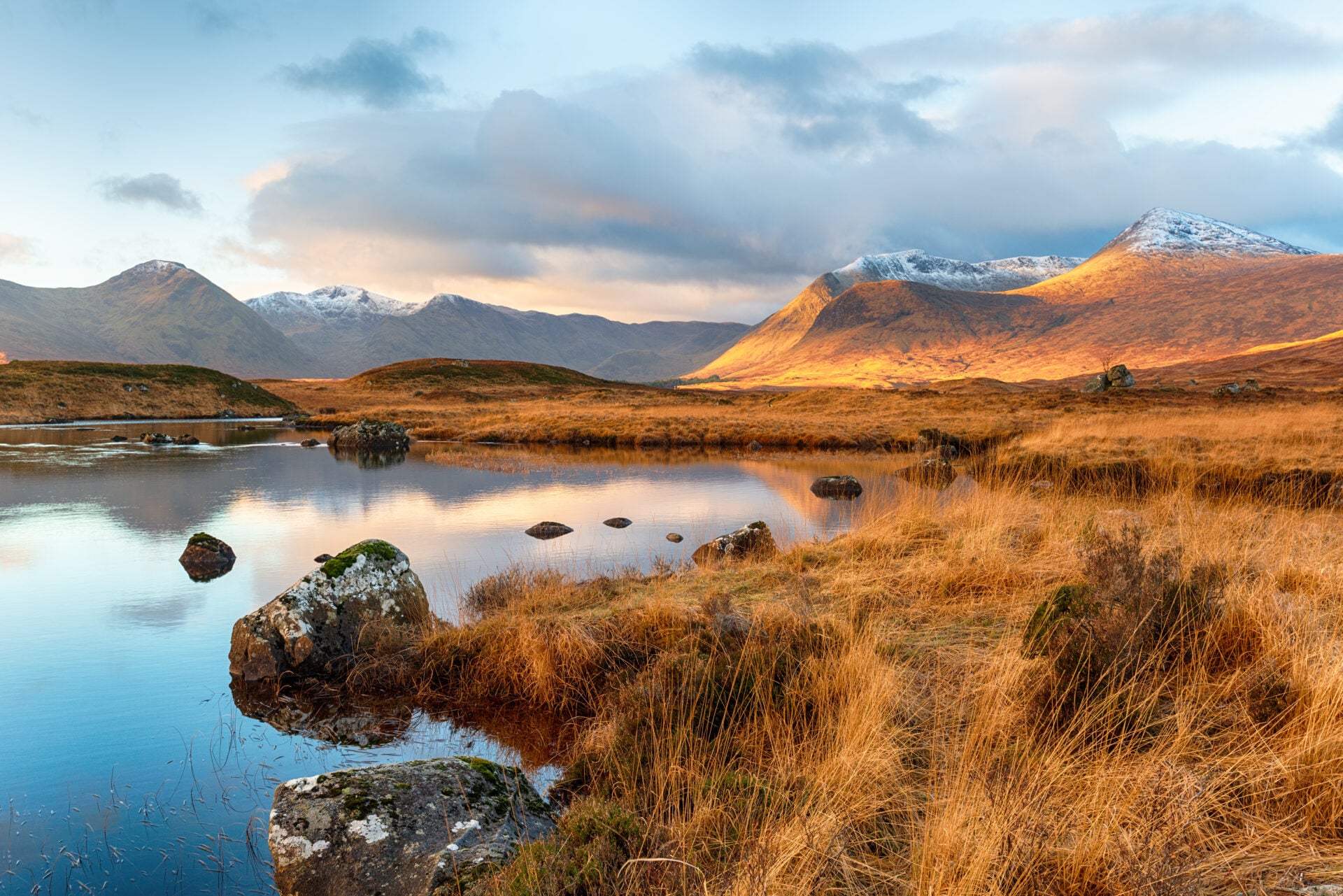
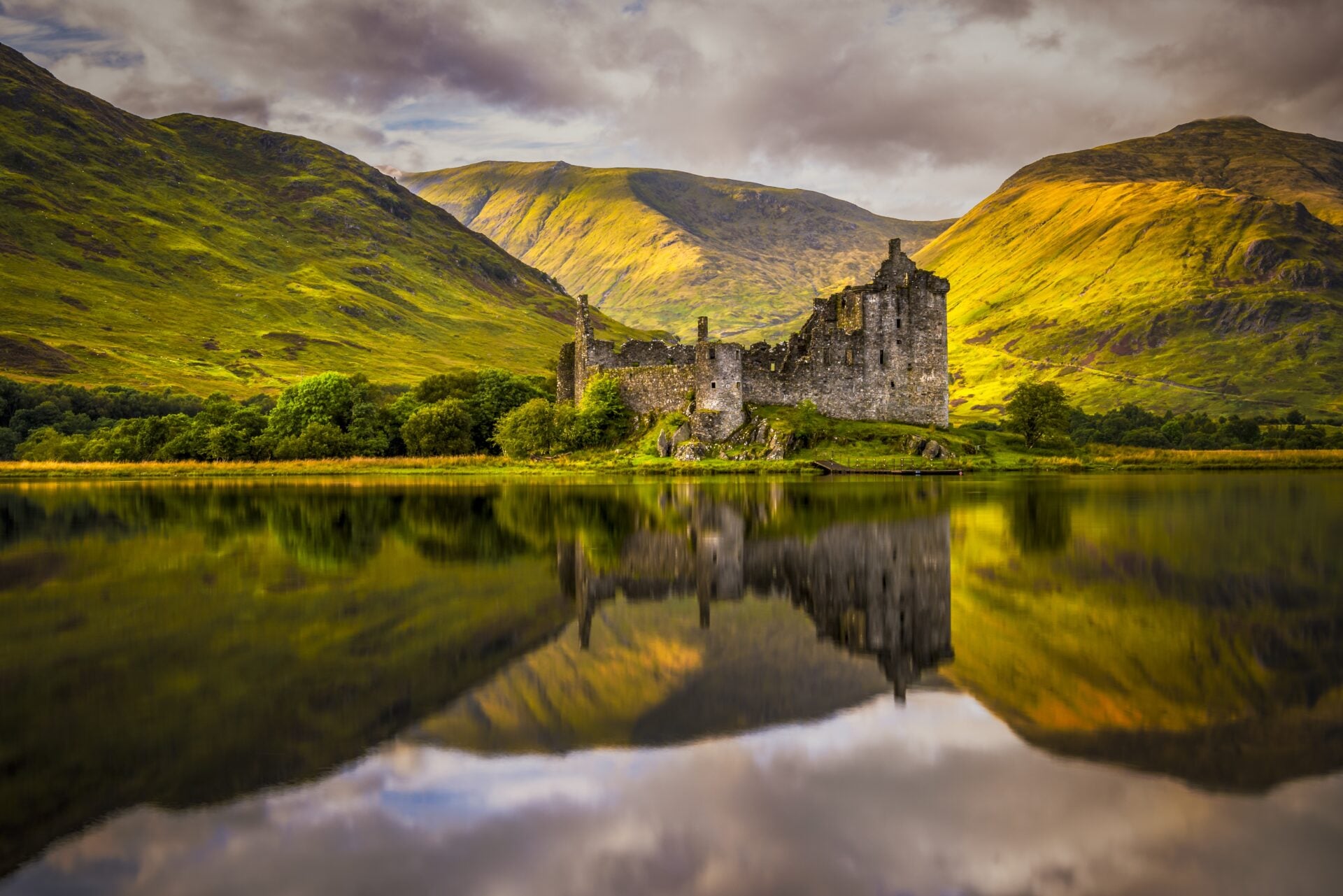
For many, Scotland is the thing dreams are made of. Beautiful mountains, highland cows wandering, and storybook castles. While regulations on short-term rentals are strict in Scotland, it is still possible. This guide covers the ins and outs of hosting a short-term rental in Scotland.
Host Tools provides an automated, unified calendar for short-term rental hosts, allowing you to seamlessly list on all major channels. Start your free trial today!
The essential Airbnb rules in Scotland
To run a short-term rental in Scotland, you need to get a Short-Term Let License. This license requires hosts to meet certain safety standards and laws. Additionally, hosts need to meet a variety of tax obligations that vary depending on the specific location of their rental within Scotland. Typically, though, hosts need to have proof of regular safety inspections, smoke alarms, and fire extinguishers. They also need to keep accurate income records for tax purposes.
Who needs a Short-Term Lets License?
In short, anyone who rents out their home as a short-term rental needs a Short-Term Let License. There are four categories specifically in Scotland known as:
- Home sharing: This is when you rent out a room in your home while you’re still actively staying there yourself.
- Home letting: This is when you rent out your entire home while you’re away on a vacation. The property is typically still your main residence.
- Secondary letting: Secondary letting is where you’re renting out a property that isn’t your main residence. For example, if you have a vacation beach house, you would be renting this out.
- Combined: This category is a mix of home sharing and home letting.
How to apply for a Short-Term Lets License for your Scotland vacation rental
To apply for a short-term lets license in Scotland, applicants must ensure that their accommodation meets specific mandatory conditions. This includes adhering to the Repairing Standard for properties, holding a valid Energy Performance Certificate (EPC) that is dated within the last ten years, and displaying the EPC rating in any advertising.
Fire safety measures require the installation of heat and smoke alarms, carbon monoxide detectors, and documentation proving that furnishings comply with the Furniture and Furnishings (Fire Safety) Regulations 1988. Properties with gas supplies must obtain a Gas Safety Certificate issued within the last twelve months, along with an Electrical Installation Condition Report and a Portable Appliance Testing Report.
Additionally, hosts are responsible for conducting a fire risk assessment and a legionella risk assessment. Building and public liability insurance is also necessary for the duration of the license and each short-term lease agreement, respectively. Local councils may impose additional requirements that will be specified on their websites, and they might request floor plans to determine maximum guest capacity.
To begin the application process, complete the form available on your local council’s website, ensuring you pay the applicable application fee, which varies depending on location and property size. Remember to notify your neighbors of your application and display a site notice for 21 days after submission.
New hosts should anticipate that councils may take up to nine months to process applications. If the council doesn’t make a decision before the nine months is up, automatic licensing for one year will be granted. Licenses may last up to three years, depending on decisions made by local authorities. For detailed information regarding Airbnb regulations in Scotland and the licensing process, consult the short-term lets licensing guide available from the Scottish Government.
What are the consequences?
Failure to adhere to the rules and regulations in Scotland can result in some pretty serious consequences. You could face the following penalties:
- Pay a fine of £2,500.
- Be banned from hosting for up to a year.
- Your insurance and mortgages could be made void.
- Additonal consqueences could occus.
Popular cities to host in Scotland
Scotland is a beautiful place. From the magic of the Highlands to the bustling streets of Glasgow, there is opportunity for success in Scotland. Below are some popular places to consider hosting your short-term rental:
- Edinburgh: Famous for its Fringe festival, as inspiration for Harry Potter, and the iconic Edinburgh Castle.
- Glasgow: A city that is known for its outstanding culture, music, art, and nightlife.
- Inverness: The gateway to the Scottish Highlands.
- St Andrews: Famous for its ancient university, beautiful coastline, and golf courses
- Isle of Skye: Famous for its dramatic scenery, hiking trails, and quaint villages.
- Aberdeen: Aberdeen is known as the ‘Granite City’ and is particularly popular for its coastline.
- Fort William: Fort William is the center of outdoor recreation in Scotland. Additionally, it’s home to the United Kingdom’s highest peak, Ben Nevis.
Tips
Consider the following tips and tricks when setting out on your hosting adventure in Scotland:
- Research the rules and regulations in Scotland. Reach out to legal professionals and host groups to help get a firm understanding of things.
- Stay on top of safety standards.
- Reply quickly to your guests. Using AI auto-replies from Host Tools can make this easy.
- Integrate your listings with Host Tools to automate the day-to-day tasks and prevent human error.
Final thoughts

Short-term rentals are indeed allowed in Scotland. However, it is heavily regulated, and you need to have a firm understanding of the rules and regulations as a host. That said, with careful preparation and special attention to the law, hosts can still thrive in the Scotland market.
Host Tools provides an automated, unified calendar for short-term rental hosts, allowing you to seamlessly list on all major channels. Start your free trial today!