
As a short-term rental host, there’s a lot that goes on behind the scenes. One such element is the ins and outs of your cash flow. To run your business well, you need to have some sort of Airbnb expense tracker in place. This helps you keep tabs on the financial health of your property and make changes to match your demand and spending habits. In this post, we’ll break down some of the best Airbnb expense trackers and tips for staying financially healthy as a host.
Host Tools provides an automated, unified calendar for short-term rental hosts, allowing you to seamlessly list on all major channels. Start your free trial today!
Why an Airbnb expense tracker is useful
Hosts are spending a lot of money on things like cleaning services, marketing, insurance, and more. As a result, you need to be consistently aware of how much money is going in and going out. It’s important to keep track of your expenses for a few important reasons:
- During tax season, you have the opportunity to make deductions. You need to have proof of these expenses, and an Airbnb expense tracker makes it easy to look over and see what expenses you’ve spent money on this year that could be a deduction. An Airbnb expense tracker helps keep you from leaving money on the table.
- Paying attention to your expenses also helps you see how profitable your business is. It can show you areas you may be over- or underspending compared to your income.
- Having a well-organized Airbnb expense tracker saves you time. It’s one centralized place you can go to quickly find information on expenses when needed. This is also helpful if you are ever audited and need to show the IRS where your expenses are coming from on short notice.

The best Airbnb expense tracking tools
When managing short-term rentals, staying on top of your finances requires the help of specialized tools. Here are some of the best Airbnb expense tracking apps that many vacation rental hosts swear by:
1. QuickBooks
A favorite among small business owners, QuickBooks, is excellent for Airbnb hosts juggling various rental property income streams. This tool categorizes transactions, calculates property taxes, and allows you to track mileage if visiting properties.
Features Include:
- Tax deduction estimator.
- Automatic sorting of business vs. personal expenses.
- Integration with credit cards and bank accounts.
2. Expensify
Want something more general? Expensify is a user-friendly app for tracking overall business expenses. You can scan receipts, log spending, and generate expense reports on the go.
Features Include:
- Seamless receipt capture with photos.
- Integration with accounting platforms.
- Mobile-friendly interface for expense management on the move.
3. Google Sheets or Excel
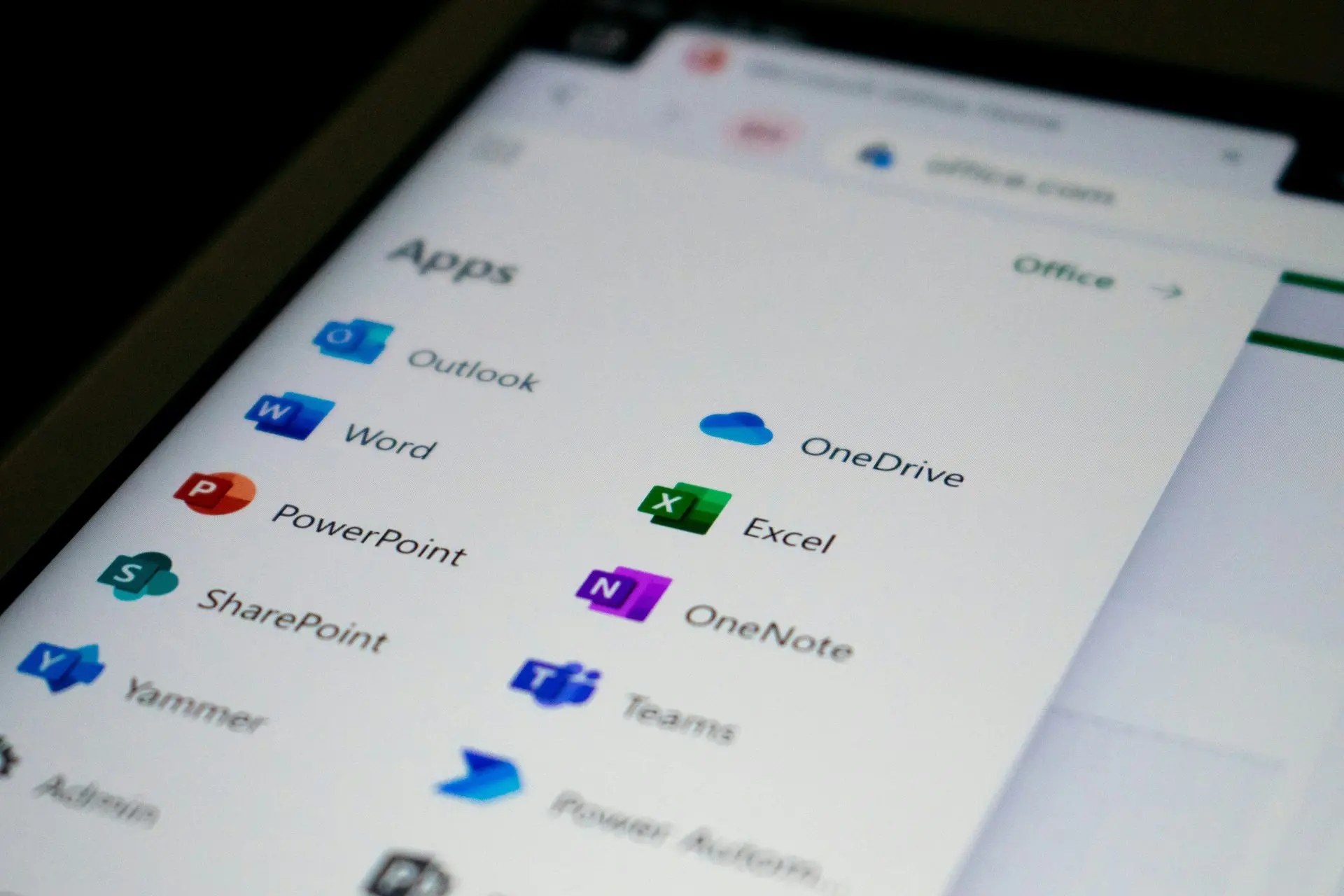
While a lot more manual, you can create an Airbnb expenses spreadsheet manually. This is an okay option for individuals or small business owners who do not have a lot of expenses to track. Simply create an organized spreadsheet with columns for date, type of expense, amount, and any notes. As you incur expenses, add them to the spreadsheet and keep all relevant receipts in one place.
5 expense tracking tips
Below are five tips to add on top of your Airbnb expense tracker to help you stay compliant.
1. Have separate personal and business finances
Have a separate bank account for your short-term rental business. Additionally, have a separate business credit card. You don’t want to intermingle your personal and business finances because it can get extremely murky during tax season. Plus, it’s easier to just search through business transactions rather than going through all of your personal stuff as well.
2. Keep digital receipts
When possible, digitize your receipts. It makes it easier to find them in a pinch, and is just a more efficient way of managing your expenses than going through crumbled-up pieces of paper that are probably starting to deteriorate.
3. Track small expenses
You want to track even the smallest of transactions. These little items add up over time! Think things like coffee pods, extra cleaning supplies, toilet paper, bank fees, etc. Each little item can add up to a big deduction if you properly track your expenses.
4. Automate
Use automation to streamline your day-to-day tasks. When you don’t have to worry about the little chores of running a short-term business, you open up more time to focus on other things, like maximizing your tax deductions with expenses.
5. Do a monthly check-in
Don’t wait until tax season. At least once a month, check in on your expenses and clean up the books. This will save you a lot of time come April.
Final thoughts
It’s no secret that you need to pay attention to your finances. Using one of the Airbnb expense trackers listed above alongside our five great tips will ensure you’re running your business as well as you can be.
Host Tools provides an automated, unified calendar for short-term rental hosts, allowing you to seamlessly list on all major channels. Start your free trial today!