
When you’re getting your new short-term rental set up for business, parking is probably not the first item on your mind. However, it is one of the very first experiences a guest has with you. To ensure your guests’ stay starts out smoothly, you’ll want to cultivate a solid short-term rental experience from the moment they enter your property and go to park their car. This blog post explores how to handle parking for your guests to ensure an A+ experience.
Host Tools provides an automated, unified calendar for short-term rental hosts, allowing you to seamlessly list on all major channels. Start your free trial today!
Who’s driving?
Let’s consider the different types of guests visiting your property:
- Business travelers: These folks may prefer private on-site parking to ensure their cars are safe while they work.
- Families: Families tend to need spaces that accommodate larger cars like SUVs or vans.
- Road trippers: These folks may have bikes or be pulling trailers. They’re going to look for accessible parking with lots of space.
- Those with accessibility needs: They should have parking options that consider their mobility and be very close to the entrance of the home.
What parking options can you give your guests?
Below are a few common parking options hosts can add to their listing.
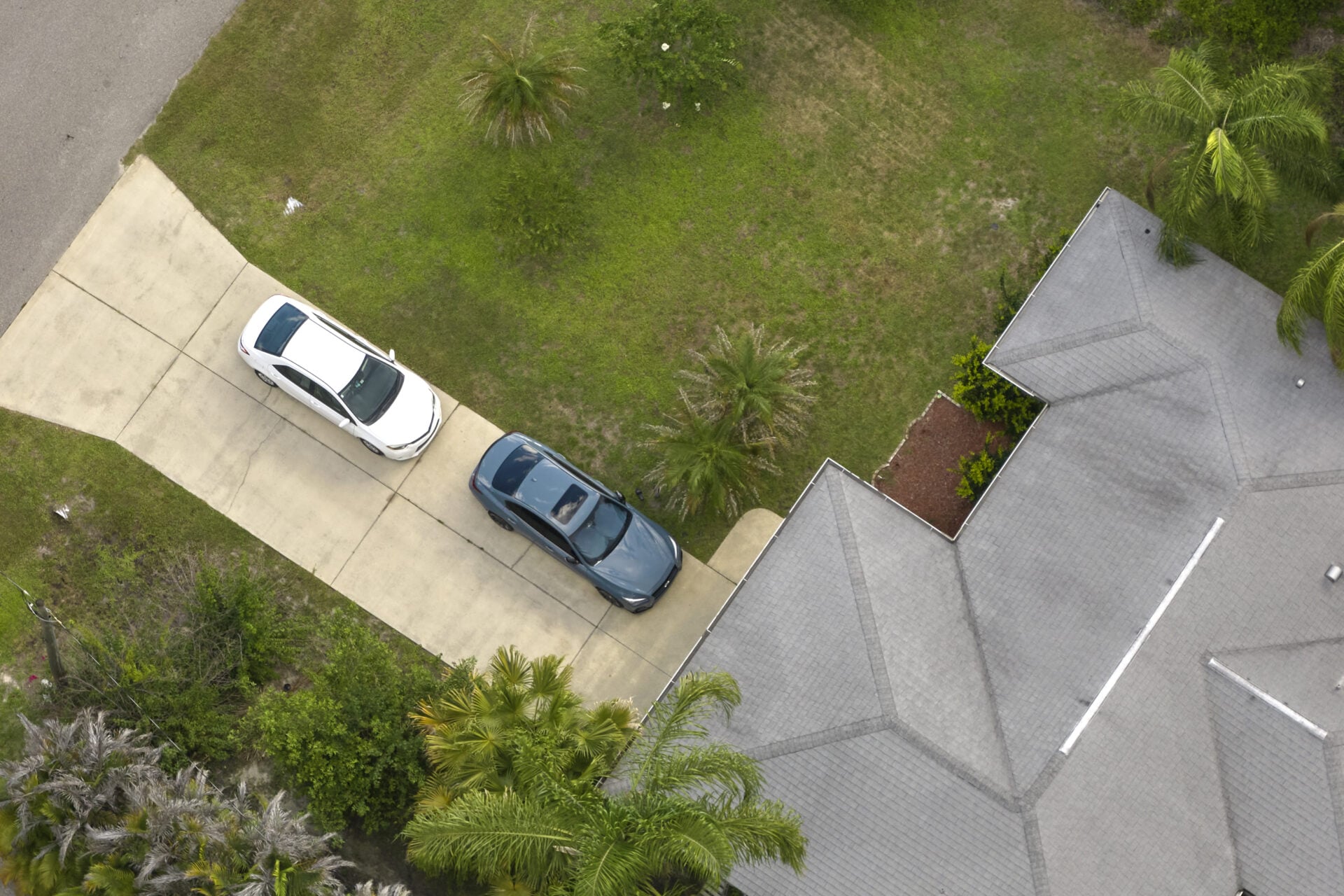
- On-site parking: This is typically the preferred option. Here you can have easy access to the home and a sense of security. You can even add “private parking” as an amenity on your listing.
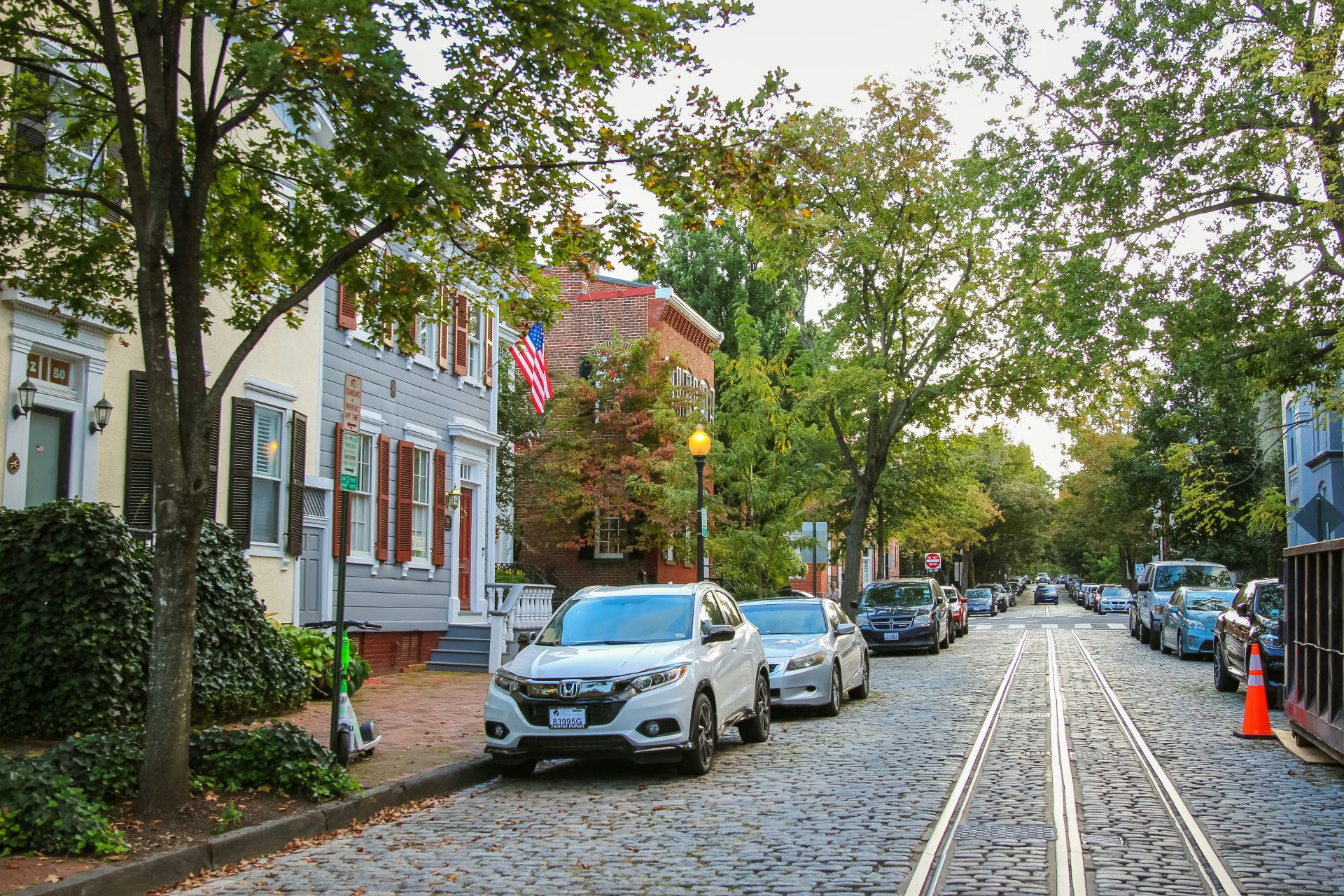
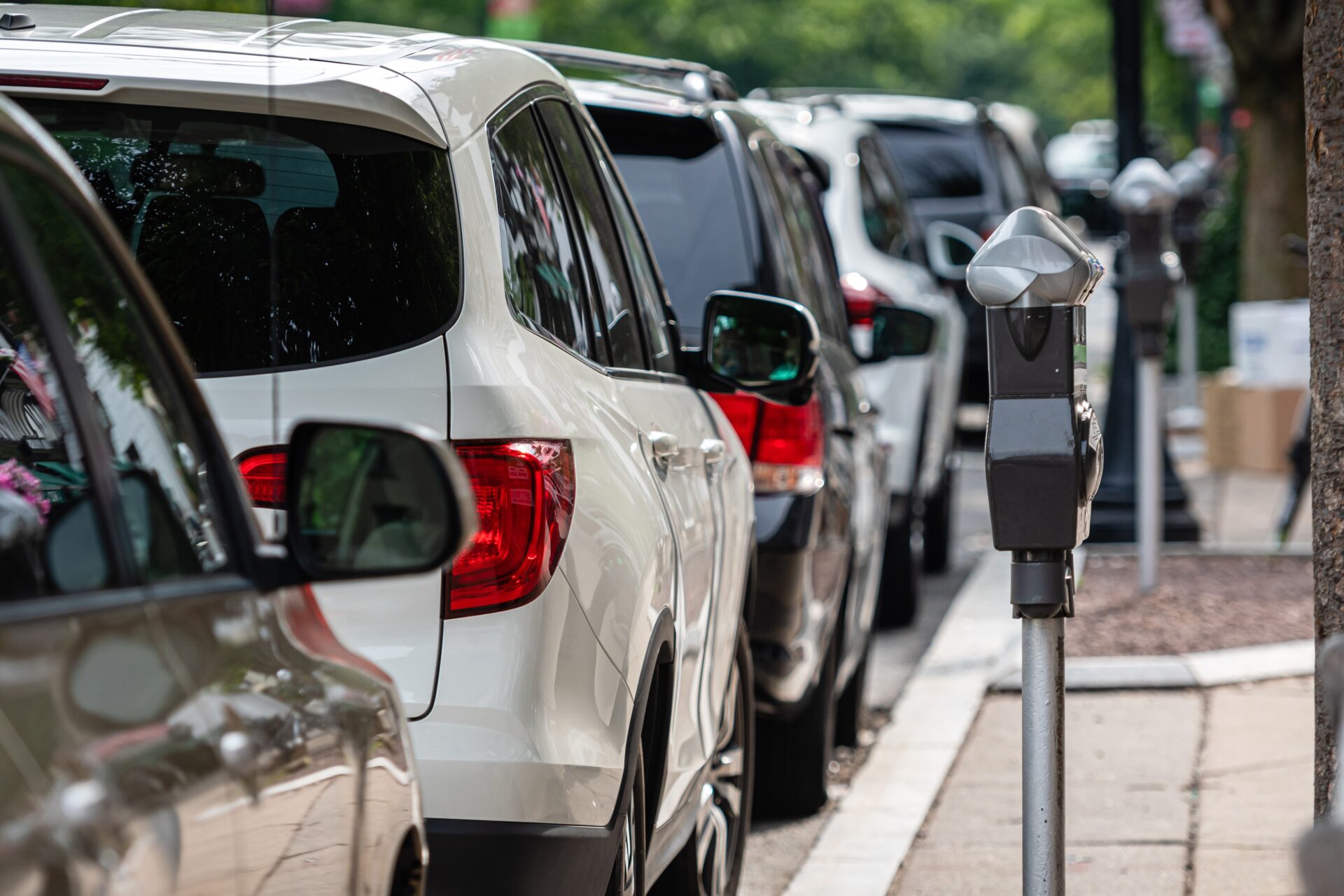
- Street parking: This is particularly popular in cities. Be sure to clarify if they need to pay a meter or if they can have free parking or need a parking pass from you.
- Off-site parking: Some hosts will partner with local businesses to provide parking for their guests. Be clear about this in your description and messages on what the guest needs to do to access this parking option.
- EV-charging: Electric vehicles are becoming more and more common. If you have a carport, advertise your listing as EV-friendly. If you don’t, share where guests can charge their car nearby.
Things to keep in mind
Parking requires attention to both local laws and guest safety.
Know your parking laws
- Research zoning regulations in your rental’s location. Are there city ordinances about renting parking spaces or providing off-street parking?
- Ensure your setup complies with HOA guidelines if your property is within a managed community.
Encourage safety
- Provide adequate lighting for your parking area. A well-lit space adds peace of mind and prevents potential accidents.
- Install safety features like motion-sensor lights or surveillance cameras.
- Arrange regular maintenance for driveways or parking lots to avoid hazards like potholes or ice buildup.
How to communicate parking information
Clear, easy-to-understand parking information will minimize frustrations and keep everyone on the same page. Remember the following:
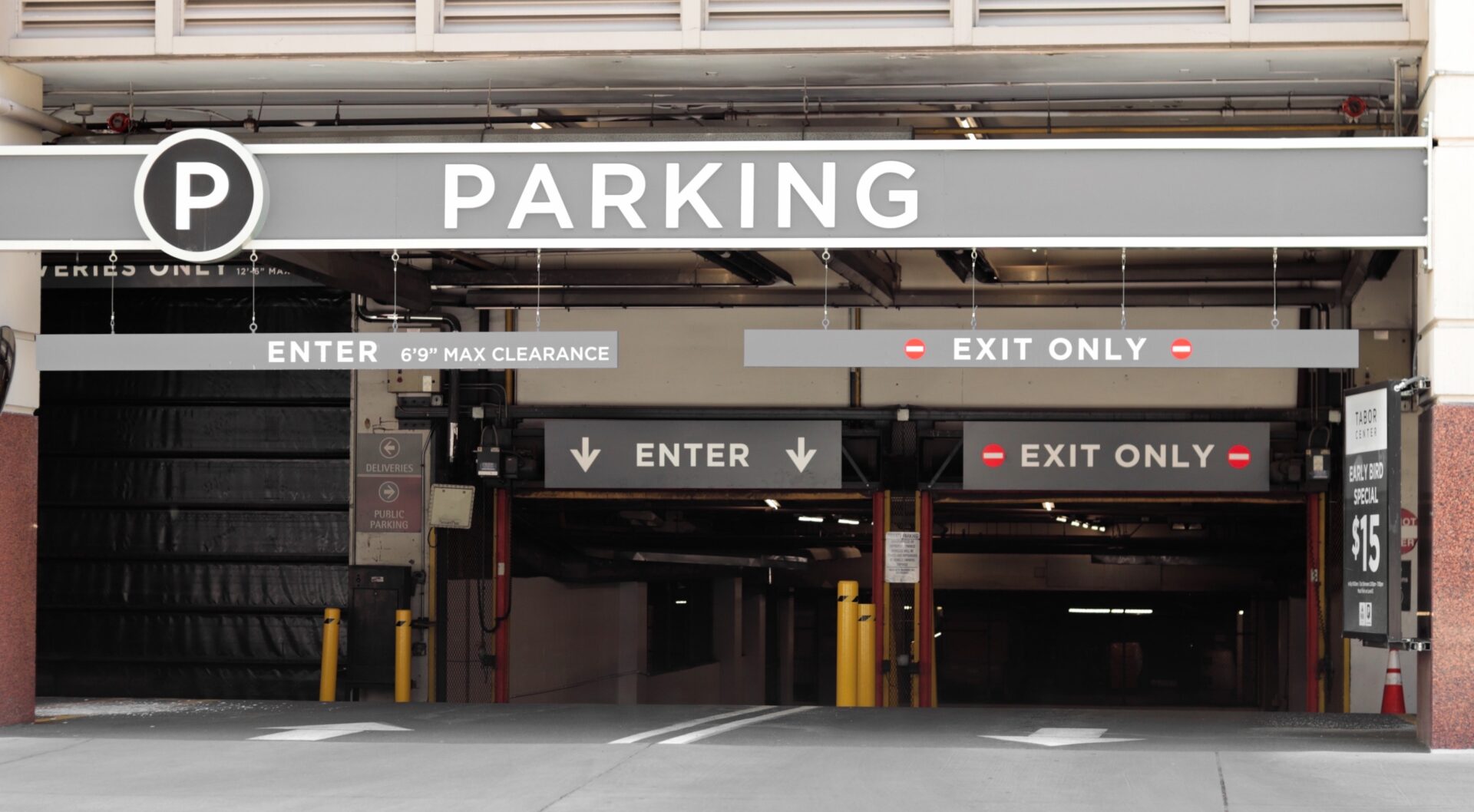
- In your listing description, clearly describe what type of parking options you have. Things like “Free parking spot” or “paid street parking” are valuable pieces of information.
- Be sure to share this information with your guests in their pre-arrival message and in the house rules.
- If you don’t have free parking, be clear about this. You want to communicate openly and honestly.
Host Tools is here to help
Let Host Tools take the work out of your communication strategy. With our automated messaging feature, you can set up pre-scheduled messages that let your guests know everything they need about parking. For example, in your pre-stay welcome message, you can automatically send them all the details about where to park and when.
Final thoughts
Parking is a pivotal part of the short-term rental guest experience. By creating an easy-to-use parking system, you’ll keep your guests happy. Ultimately, a happy guest leads to more and more 5-star reviews!
Host Tools provides an automated, unified calendar for short-term rental hosts, allowing you to seamlessly list on all major channels. Start your free trial today!