
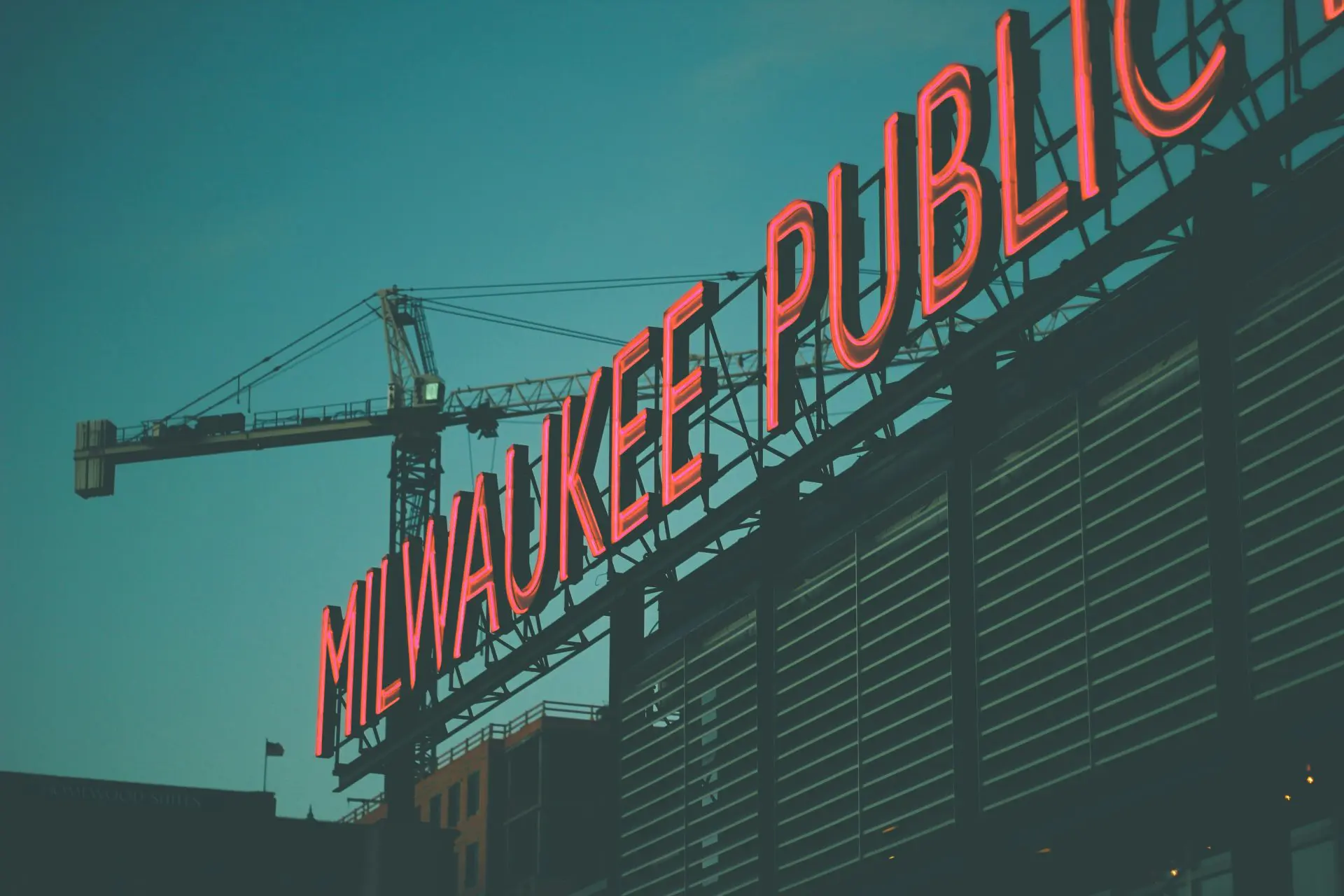
Milwaukee is one of the most underrated destinations in the Midwest. It’s home to a great sports culture, world-class breweries, art, restaurants, shopping, and a stunning lakefront. As a result, it’s become a haven for short-term rental hosts. Of course, like all good things, there are some hoops you need to jump through to ensure you’re staying compliant. This blog post will break down the essential Milwaukee short-term rental laws you need to be aware of as you start your next venture in this great American city.
Host Tools provides an automated, unified calendar for short-term rental hosts, allowing you to seamlessly list on all major channels. Start your free trial today!

What are considered short-term rentals?
First, you want to fully understand the definition of a short-term rental. In Milwaukee, a short-term rental refers to any property that is rented out for fewer than one month of consecutive days. In the city of Milwaukee, there are some strict rules and regulations you need to ensure that you’re following.
Milwaukee short-term rental laws
Milwaukee’s short-term rental laws are designed to protect locals and keep the city a great place to live. Be sure to have a firm understanding of the following to ensure you’re living and working in harmony with your Milwaukee neighbors.
1. Get a short-term rental license
First things first: you need to have a short-term rental license from the City of Milwaukee. You’ll need to download the application form from the Department of Neighborhood Services. Typically, you need to supply proof that you own the property (or that you have permission from the landlord to rent it out), proof that you meet safety requirements, and pay an application fee. The cost varies, but licensing fees typically range from $300-$600 and must be renewed annually. Additionally, there is a one-time inspection fee of around $300.
Additionally, Milwaukee requires all short-term rental properties to pass an inspection before issuing a short-term rental license. During the inspection, you’ll have to show that you have working smoke detectors, carbon monoxide alarms, and suitable fire exits.
2. Register for the room tax
All short-term rentals are taxed on something called the “room tax.” This is also known as the Transient Occupancy Tax in other areas. As a host, you must register for a tax ID and file with the Wisconsin Department of Revenue.
3. Understanding zoning
Milwaukee has strict zoning requirements when it comes to short-term rentals. This means that there are parts of the city where short-term rentals are not allowed. Be sure you are certain of the zoning requirements for your property before even starting this process.
4. Owner-occupied units
Milwaukee allows you to rent out your home for up to 180 days per calendar year if this property is your primary residence. If it is not your primary residence, additional permits will be required.
5. Platform-specific rules
Individual platforms, like Airbnb and Vrbo, have their own specific policies in place. While often similar, it is important to know the details of each individual platform that you list. For example, some local governments will require a Certificate of Occupancy for certain property types.

Why operate a short-term rental?
We understand that, at first glance, the Milwaukee short-term rental laws may feel a bit overwhelming. Don’t worry! This is just a small hurdle to understanding. Once you’ve got a good grip on the rules, you will reap the many benefits of being a host in this city. These include:
- Milwaukee allows short-term rentals. Some cities have banned them. As a result, you can rest easy knowing that Milwaukee has set up a system to ensure the thriving short-term rental business continues here in a way that is practical for both locals and short-term rental investors.
- You have the opportunity to grow in Milwaukee. As you rake in those 5-star reviews, you’ll earn more and more bookings that keep your calendar (and ultimately your wallet) full.
- Long-term sustainability is possible here. You can truly build a business that thrives and lasts for years to come.
Let Host Tools help
While these Milwaukee short-term rental laws may feel complicated, Host Tools is here to make your life easier. We offer services like automated messaging, pricing assistance (think about adjusting your rates during popular events like Summerfest ), calendar syncing (no more double bookings!), cleaner management, and a whole lot more. With these tools in place, you cut down on the amount of time you’re spending managing the day-to-day tasks and more time focusing on the bigger picture and expanding your portfolio of properties.
Tips
We’ve put together a few tips and tricks to help you get started on your short-term rental hosting journey in Milwaukee.
1. Stay up-to-date on legal changes
Laws and regulations for short-term rentals evolve. Subscribe to newsletters or regularly check the Wisconsin Department of Revenue and Milwaukee Development Center websites for updates.
2. Keep detailed records
You want to stay on top of your paperwork and have records of everything. This includes reservations, transactions, communications, etc. Platforms like Host Tools can help automatically track your rental history.
3. Foster an environment that puts guests and neighbors on the same page
To help keep things running smoothly between guests and your neighbors, lay out clear expectations in your house rules. Cover things such as quiet hours, no smoking policies, information on policies, and access to shared amenities. This way, everyone is on the same page.
4. Talk to experts
Talk to experts in your area. Reach out to tax professionals, government officials, etc., to ensure you are meeting all the requirements. It’s better to be prepared from day one than deal with fixing things later on.

Best neighborhoods in Milwaukee for short-term rentals
Below are some of the best neighborhoods in Milwaukee to consider for your short-term rental investment.
1. Historic Third Ward
Known as Milwaukee’s arts and fashion district, the Historic Third Ward is a hotspot for visitors seeking a blend of cultural attractions and trendy amenities. With its charming boutiques, galleries, the Milwaukee Riverwalk, and an array of dining options, this neighborhood attracts tourists looking for an upscale yet vibrant experience. Its proximity to downtown and popular attractions like the Milwaukee Public Market makes it a prime location for short-term rentals.
2. Bay View
Bay View offers a perfect mix of urban and laid-back vibes, making it a favorite among younger travelers and families. This neighborhood boasts a variety of local bars, cafes, and shops while maintaining a community-focused, walkable environment. With its lakefront parks and frequent events like street festivals, Bay View is ideal for hosting guests who appreciate a friendly, eclectic atmosphere.
3. Walker’s Point
Walker’s Point is a rapidly growing neighborhood known for its culinary scene and industrial-chic aesthetic. It appeals to foodies, craft beer enthusiasts, and those seeking an urban environment with a hip, modern twist. Close to downtown and cultural institutions, this area is a great choice for short-term rentals seeking to attract energetic and social guests.
4. East Side
The East Side offers a youthful energy with its mix of trendy restaurants, bookstores, and nightlife. Home to the University of Wisconsin-Milwaukee, this area draws students, academics, and visitors attending local events. Its vibrant culture and close proximity to Lake Michigan consistently appeal to a wide range of travelers.
Final thoughts
It’s obvious that Milwaukee’s short-term rental offers a plethora of wonderful business opportunities. As long as you pay attention to the city’s regulations and stay on top of things (plus integrate your business with Host Tools), you’ll be good to go and thriving in this fantastic Wisconsin market.
Host Tools provides an automated, unified calendar for short-term rental hosts, allowing you to seamlessly list on all major channels. Start your free trial today!